
Author: Jason Bryan Ball
-

Wall Street vs. Main Street: What Limiting Institutional Home Buying Means for First-Time Buyers
I. Introduction: Wall Street, Main Street, and the First-Time Buyer Homeownership has long been framed as the cornerstone of middle-class wealth in America. For many families, buying a home represents stability, forced savings, and long-term equity growth. But over the past decade, a new competitor has entered the starter-home market in a meaningful way: large…
-

Elite Privilege, Power Networks, and Accountability — How Concentrated Influence Tests Democratic Stability
I. Introduction – When Power and Accountability Drift Apart In every functioning democracy, trust rests on a simple but powerful expectation: the rules apply to everyone. When people believe that laws, consequences, and expectations are enforced fairly, institutions maintain legitimacy. But when a growing number of citizens begin to feel that power, wealth, or connections…
-
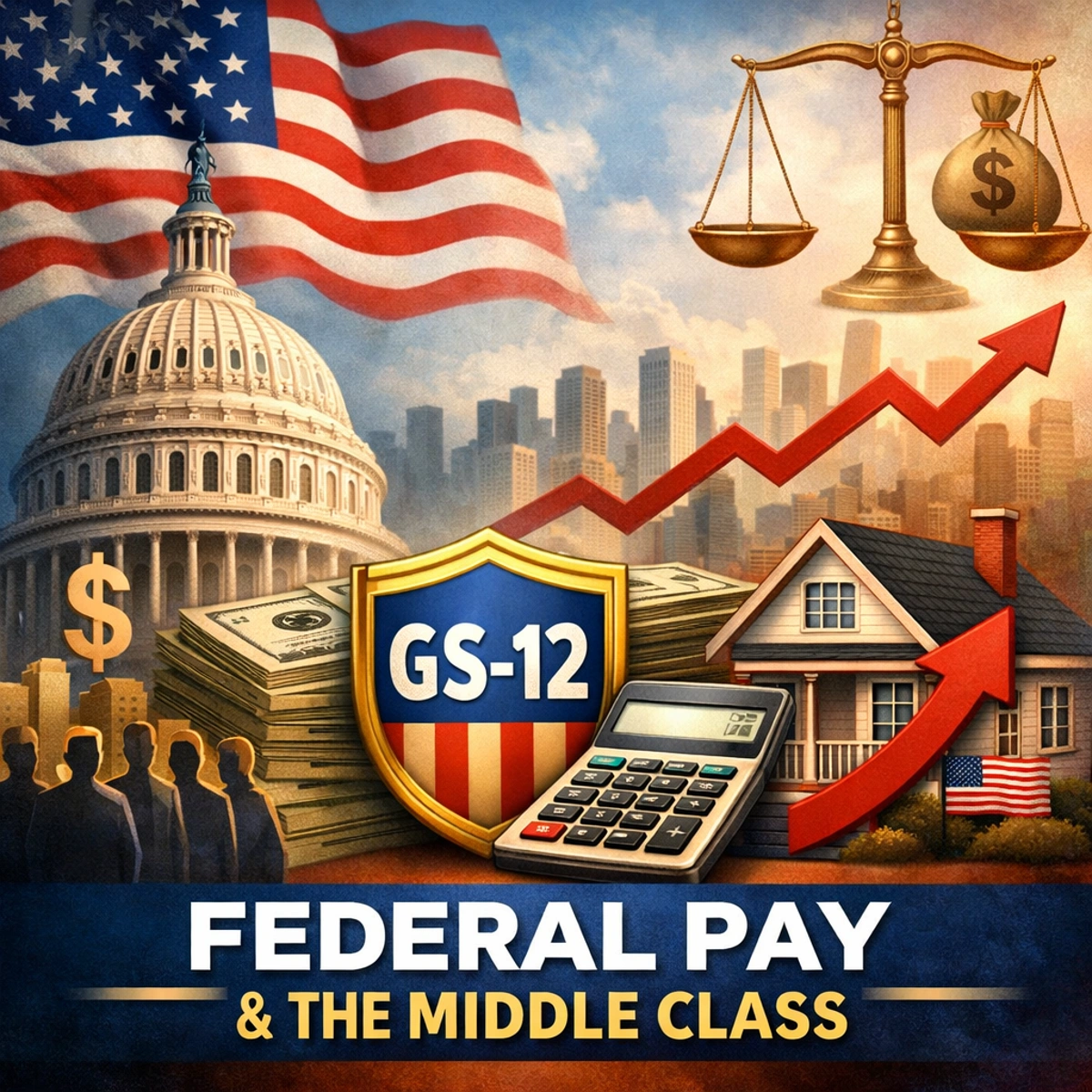
The Federal Pay Gap in a Changing Economy: Middle-Class Stability, Inequality, and the Role of Public Employment
I. The Economic Backdrop: Long-Term Structural Trends To understand why federal pay has become part of a larger economic conversation, it helps to step back and look at the broader environment that has shaped wages, household finances, and middle-class stability over time. Several long-term trends have defined the modern U.S. economy. These trends are widely…
-
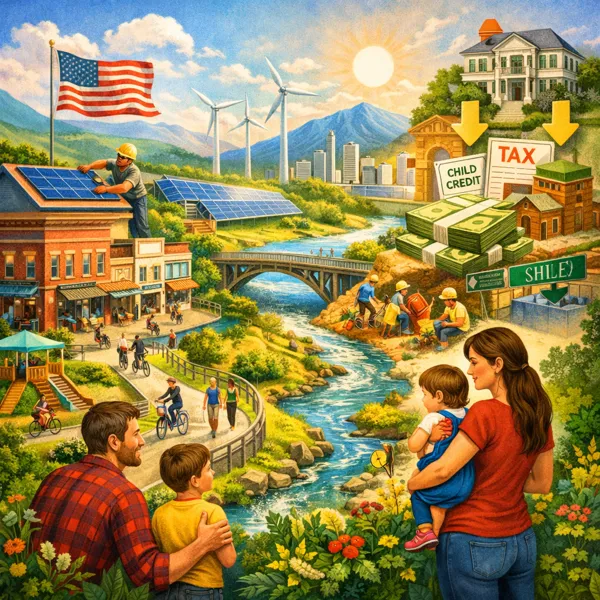
A Modern New Deal for Livability: Rebuilding Small Cities, Supporting Families, and Investing in the Future
I. Introduction — The Return of Big-Picture National Investment For much of the past few decades, economic success has been framed in terms of markets, GDP growth, and corporate performance. Yet for many households, the economy feels very different at ground level. Families measure stability through housing affordability, childcare costs, job security, and whether their…
-
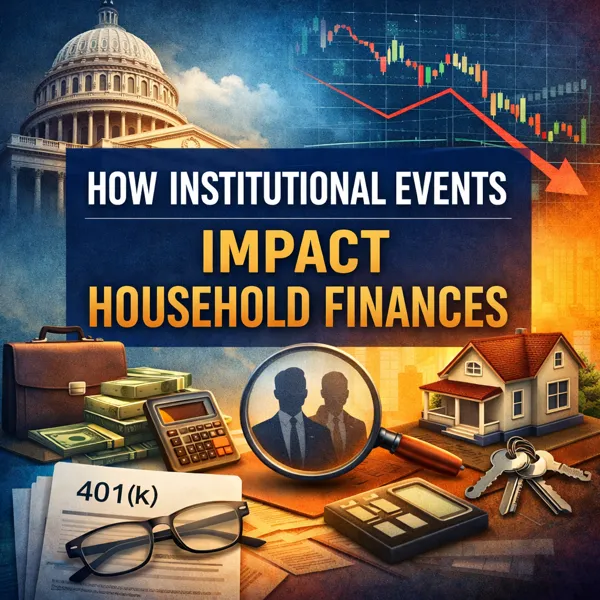
Why Major Institutional Scandals Matter to Your Finances — Even If They Don’t Involve You
1) Introduction — Why Distant Events Still Affect Personal Finances Most families are focused on what directly touches their daily lives: earning income, paying bills, saving for retirement, and managing debt. Headlines involving powerful business leaders, political figures, or global institutions can feel far removed from those practical concerns. It’s natural to wonder why any…
-
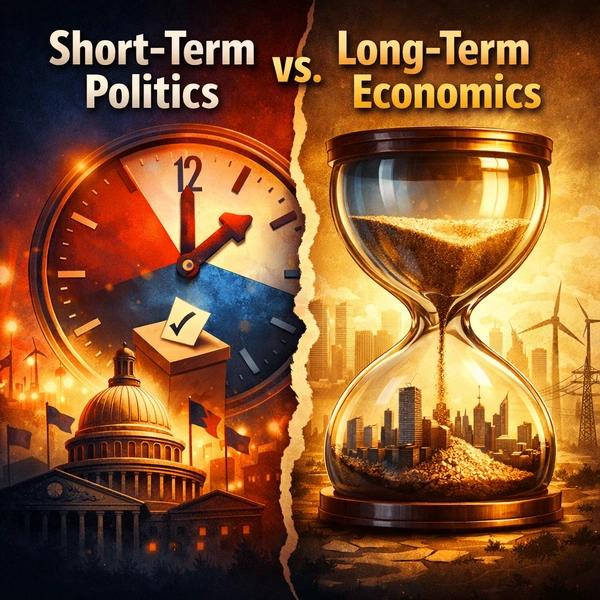
Why Short-Term Politics Produces Long-Term Economic Damage
I. Introduction — The Time Horizon Problem Modern political systems operate on short clocks. Elections arrive every few years. News cycles reset every few hours. Public attention shifts with each new crisis or headline. Yet the economic systems these political decisions shape move far more slowly. Investments in infrastructure, education, energy, and labor productivity unfold…