
Category: Policy & Household Finances
-
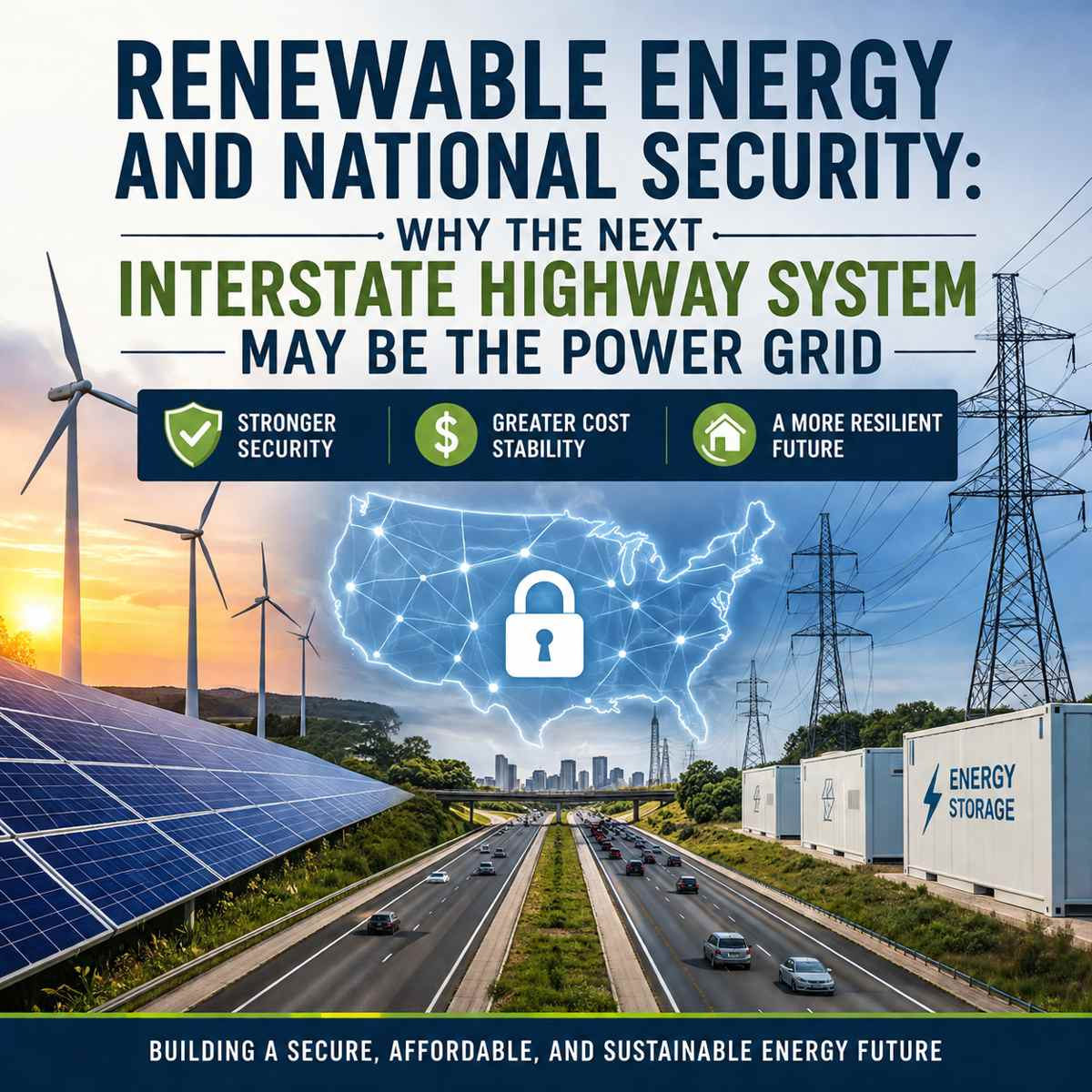
Renewable Energy and National Security: Why the Next “Interstate Highway System” May Be the Power Grid
🧠 Quick Answer Renewable energy is increasingly viewed as a national security priority—not just an environmental goal—because it reduces dependence on foreign energy sources, stabilizes long-term costs, and protects households from global supply shocks. A coordinated national investment—similar to the Interstate Highway System—could strengthen economic resilience and improve financial stability for individuals and businesses. 📘…
-
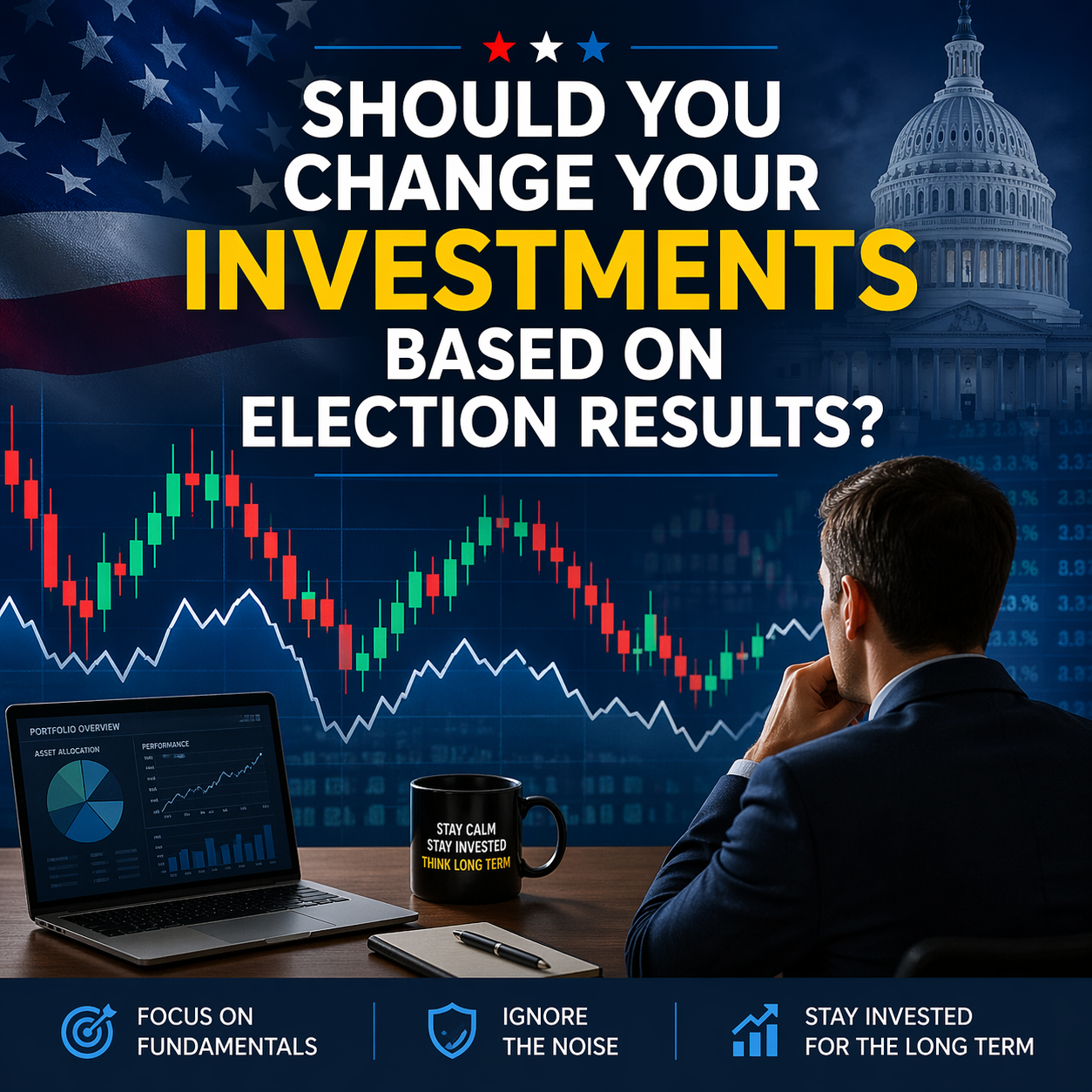
Should You Change Your Investments Based on Election Results?
🎯 Introduction “Every election cycle, investors ask the same question: Should I change my portfolio based on who wins?” It’s a natural reaction. Elections bring uncertainty—and uncertainty creates fear. You hear about potential market crashes, sweeping policy changes, and tax shifts that could impact your investments overnight. Headlines amplify the noise, and suddenly it feels…
-
Has Financial Regulation Been Rolled Back Since 2008?
🔹 Introduction It feels like financial regulation has quietly loosened over time. In the years following the Global Financial Crisis, the United States implemented sweeping reforms designed to stabilize the financial system and prevent another economic collapse. For a period, oversight was strong, enforcement was aggressive, and the rules governing banks and financial institutions were…
-
Why Major Institutional Scandals Matter to Your Finances — Even If They Don’t Involve You
1) Introduction — Why Distant Events Still Affect Personal Finances Most families are focused on what directly touches their daily lives: earning income, paying bills, saving for retirement, and managing debt. Headlines involving powerful business leaders, political figures, or global institutions can feel far removed from those practical concerns. It’s natural to wonder why any…
-
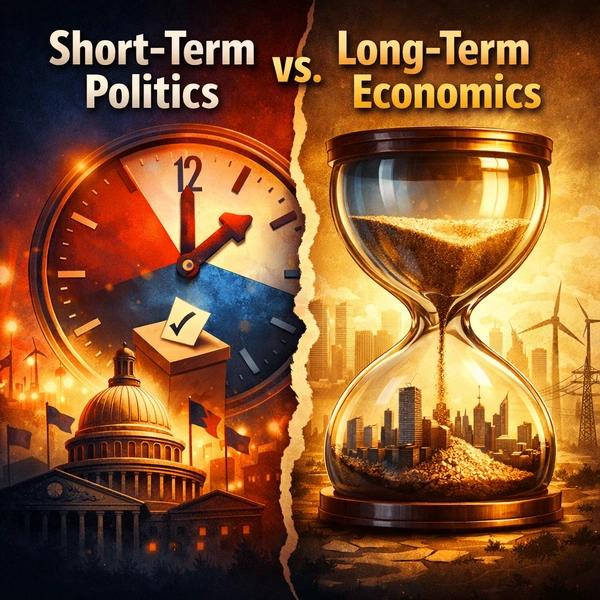
Why Short-Term Politics Produces Long-Term Economic Damage
I. Introduction — The Time Horizon Problem Modern political systems operate on short clocks. Elections arrive every few years. News cycles reset every few hours. Public attention shifts with each new crisis or headline. Yet the economic systems these political decisions shape move far more slowly. Investments in infrastructure, education, energy, and labor productivity unfold…