
Author: Jason Bryan Ball
-
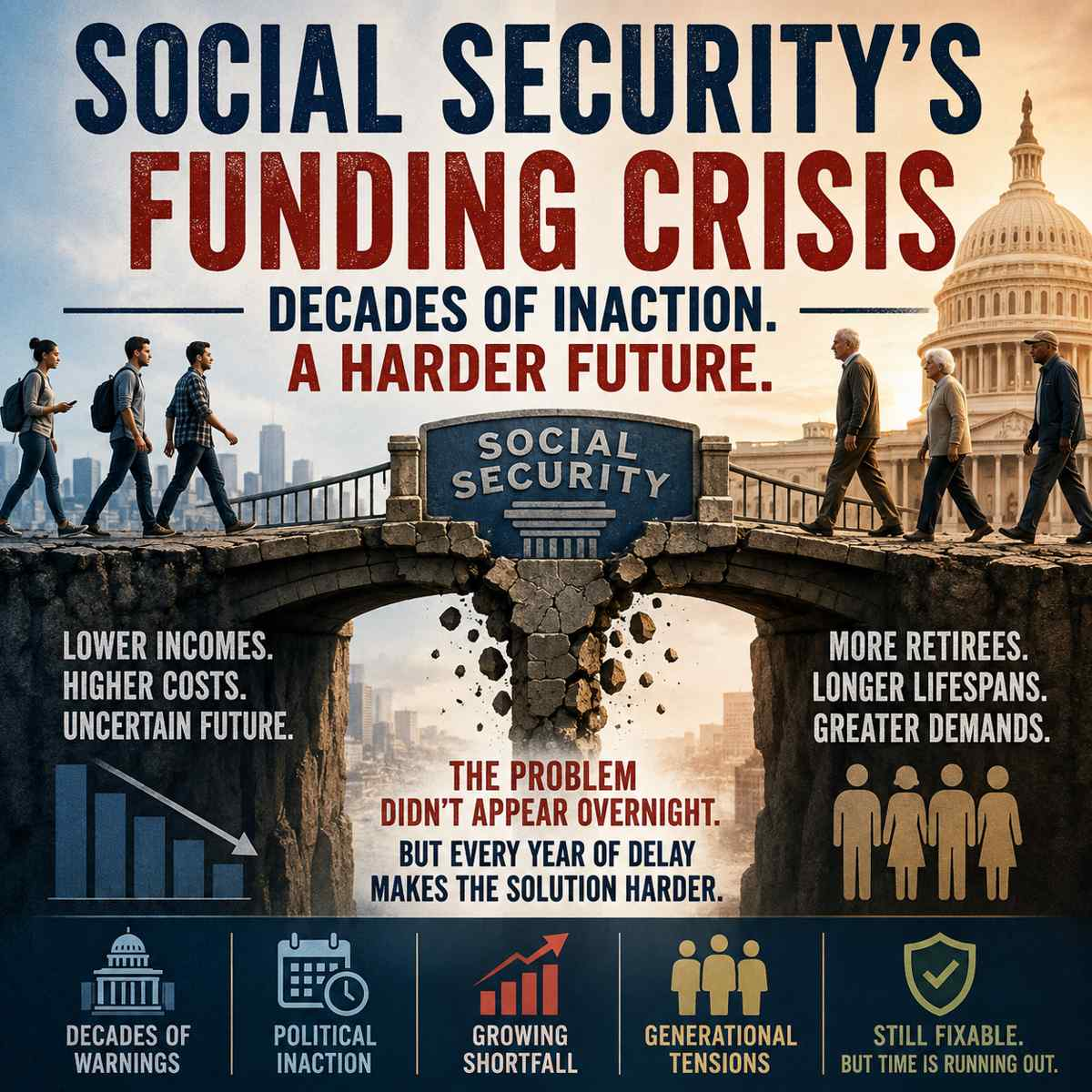
Social Security’s Funding Crisis Wasn’t a Surprise: Decades of Inaction Made It Worse
Introduction For years, Americans have heard warnings that Social Security is “running out of money.” The reality is more nuanced. Social Security is not going broke in the sense that benefits will suddenly disappear. As long as workers continue paying payroll taxes, the system will continue collecting revenue and paying benefits. However, Social Security does…
-
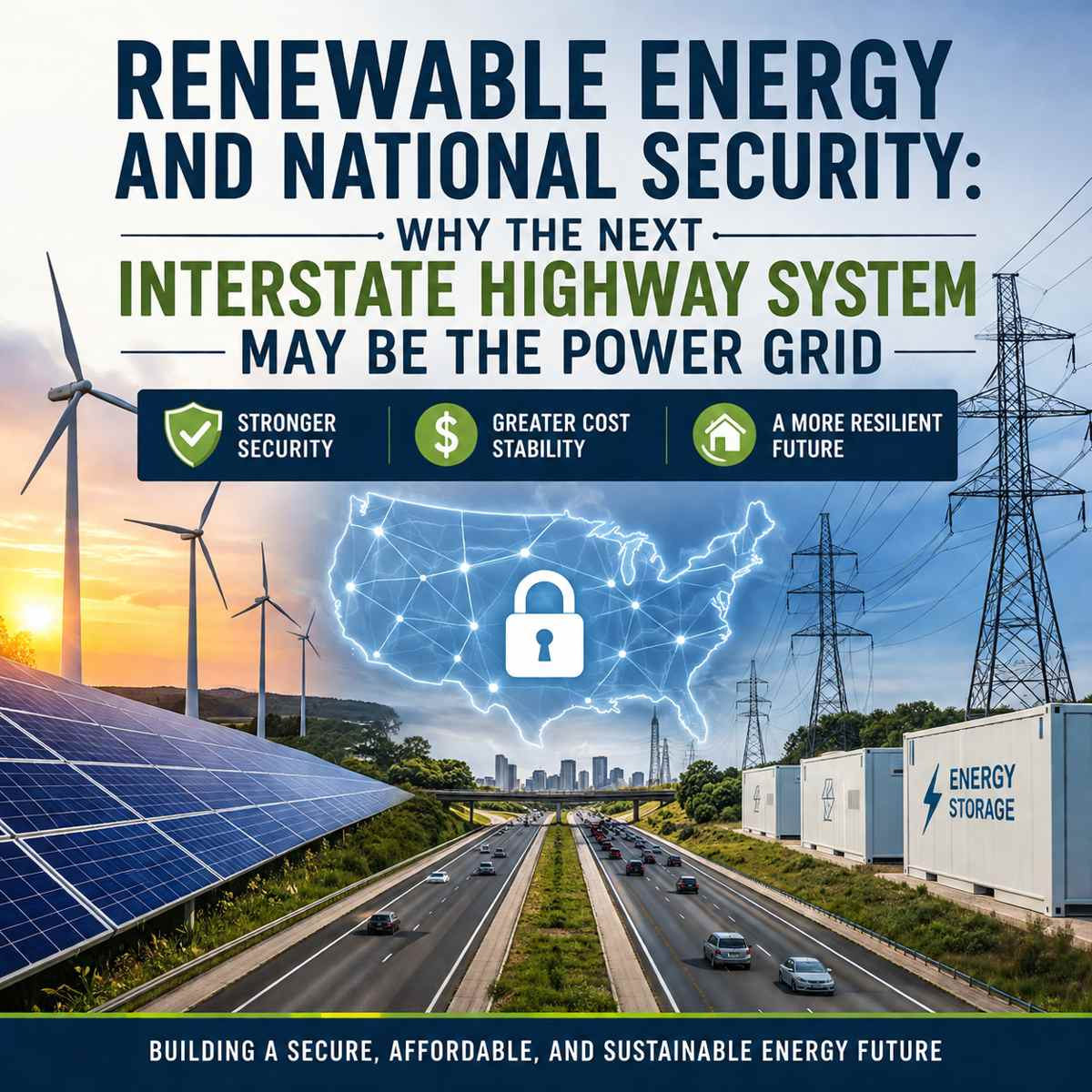
Renewable Energy and National Security: Why the Next “Interstate Highway System” May Be the Power Grid
🧠 Quick Answer Renewable energy is increasingly viewed as a national security priority—not just an environmental goal—because it reduces dependence on foreign energy sources, stabilizes long-term costs, and protects households from global supply shocks. A coordinated national investment—similar to the Interstate Highway System—could strengthen economic resilience and improve financial stability for individuals and businesses. 📘…
-

Should You Change Your Investments Based on Election Results?
🎯 Introduction “Every election cycle, investors ask the same question: Should I change my portfolio based on who wins?” It’s a natural reaction. Elections bring uncertainty—and uncertainty creates fear. You hear about potential market crashes, sweeping policy changes, and tax shifts that could impact your investments overnight. Headlines amplify the noise, and suddenly it feels…
-
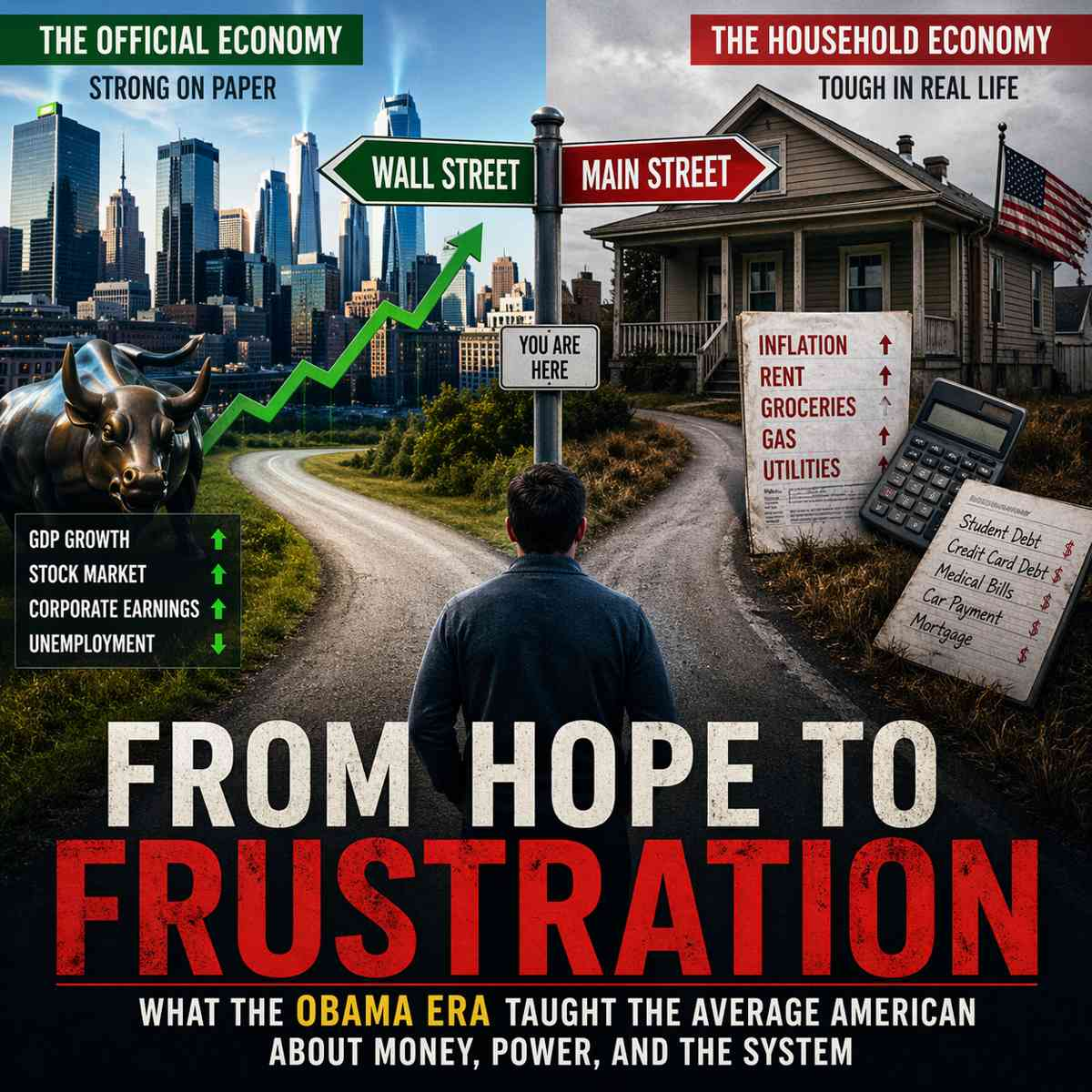
From Hope to Frustration: What the Obama Era Taught the Average American About Money, Power, and the System
🧠 Introduction: When the Economy Recovers… But Your Finances Don’t “The economy recovered. The stock market hit new highs. So why did so many Americans still feel stuck?” That question sits at the heart of one of the most important economic periods in modern U.S. history. Between 2008 and 2016, the country experienced a dramatic…
-
Has Financial Regulation Been Rolled Back Since 2008?
🔹 Introduction It feels like financial regulation has quietly loosened over time. In the years following the Global Financial Crisis, the United States implemented sweeping reforms designed to stabilize the financial system and prevent another economic collapse. For a period, oversight was strong, enforcement was aggressive, and the rules governing banks and financial institutions were…
-
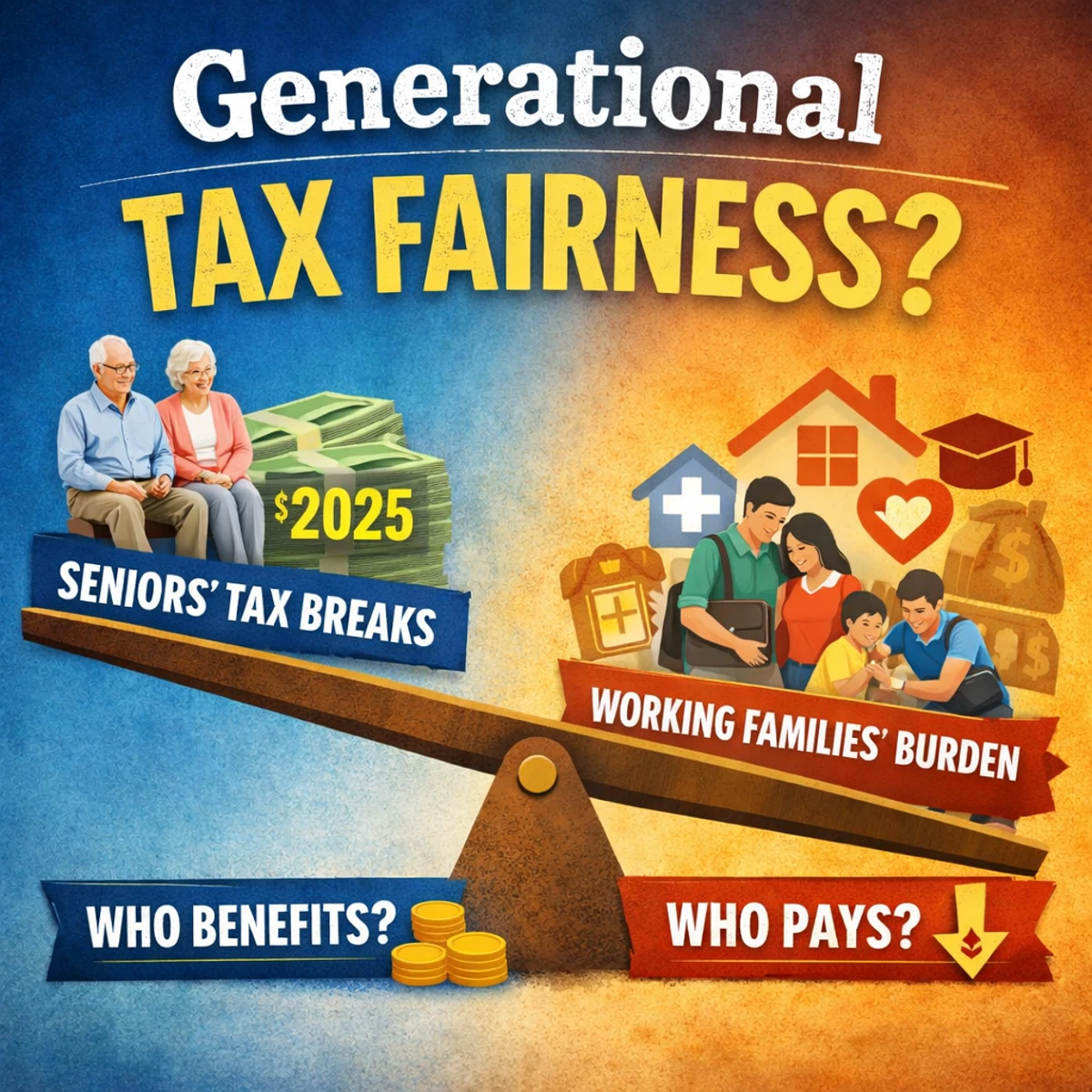
The 2025 Senior Tax Deduction: Generational Fairness, Distribution, and What It Means for Working Families
Tax policy is never just about numbers. It reflects priorities — economic, demographic, and political. In 2025, federal tax law introduced a substantial expansion of deductions for Americans age 65 and older. On the surface, it appears straightforward: seniors receive additional tax relief. But beneath that headline lies a deeper structural question: Who benefits most…
-
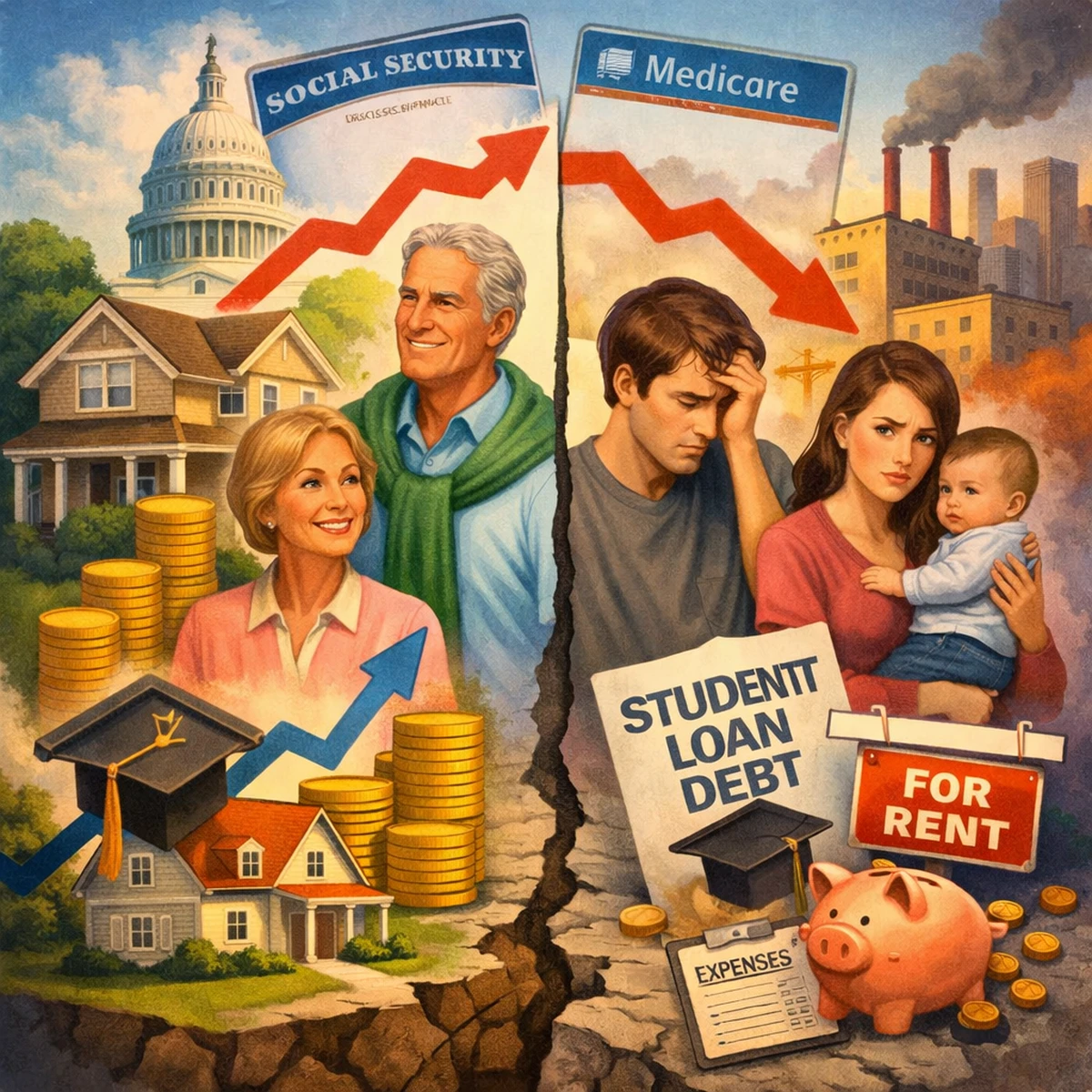
Bridging the Generational Divide: How Policy Choices Have Shaped Today’s Financial Reality and How We Move Forward
I. Introduction: A Structural Challenge, Not a Blame Game The United States has experienced one of the most dramatic generational wealth shifts in modern economic history. The Baby Boomer generation—born between 1946 and 1964—came of age during a period of expanding homeownership, strong wage growth, accessible public higher education, and relatively affordable family formation. Today,…
-
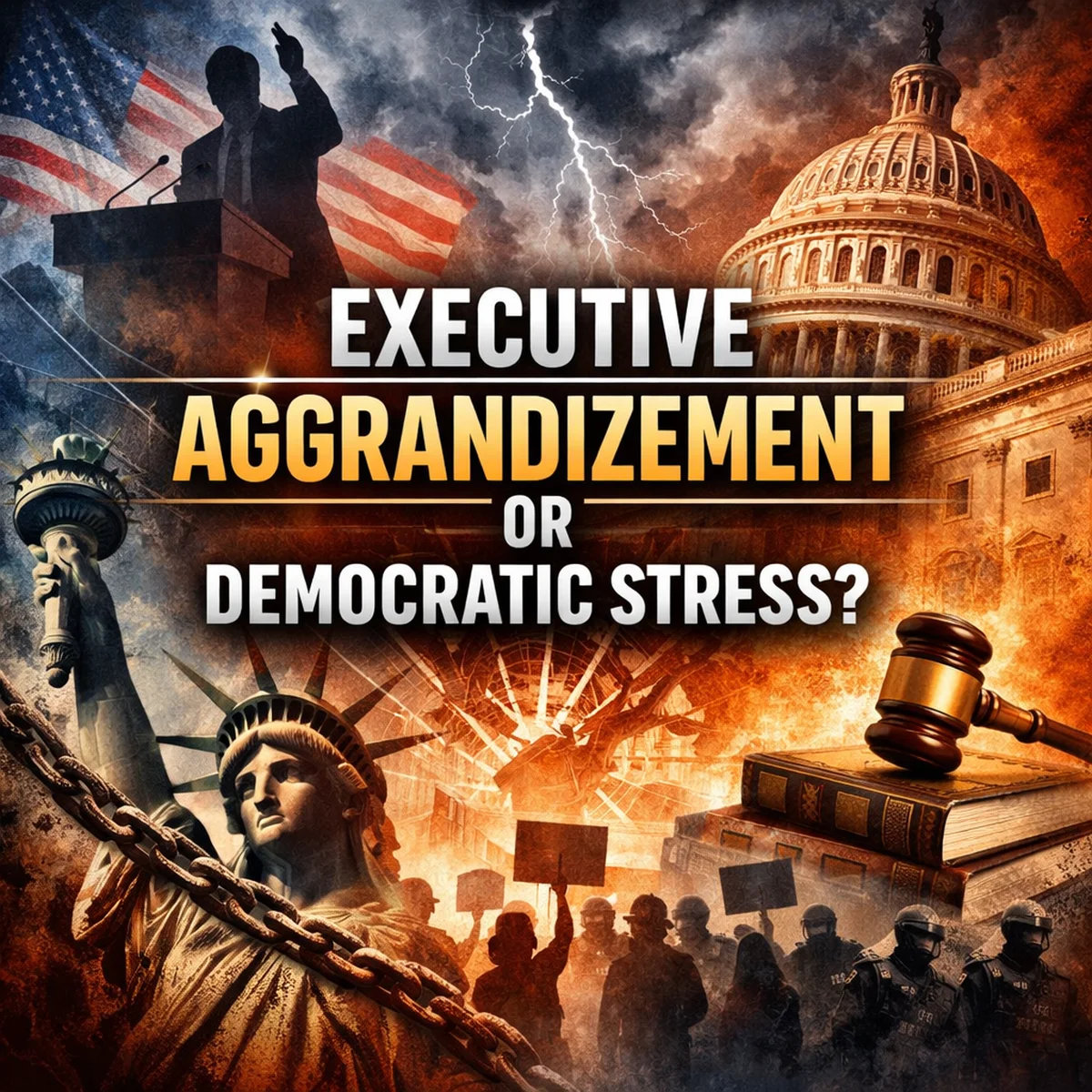
Executive Aggrandizement or Democratic Stress? Understanding Power, Chaos, and Institutional Resilience in America
Power, Chaos, and Institutional Resilience in Modern America Democracies rarely collapse overnight. They erode slowly — through legal reinterpretations, shifting norms, and institutional fatigue. At the same time, highly polarized environments can create the perception of collapse even when core guardrails remain intact. So where are we? Are we witnessing executive aggrandizement — the gradual…
-
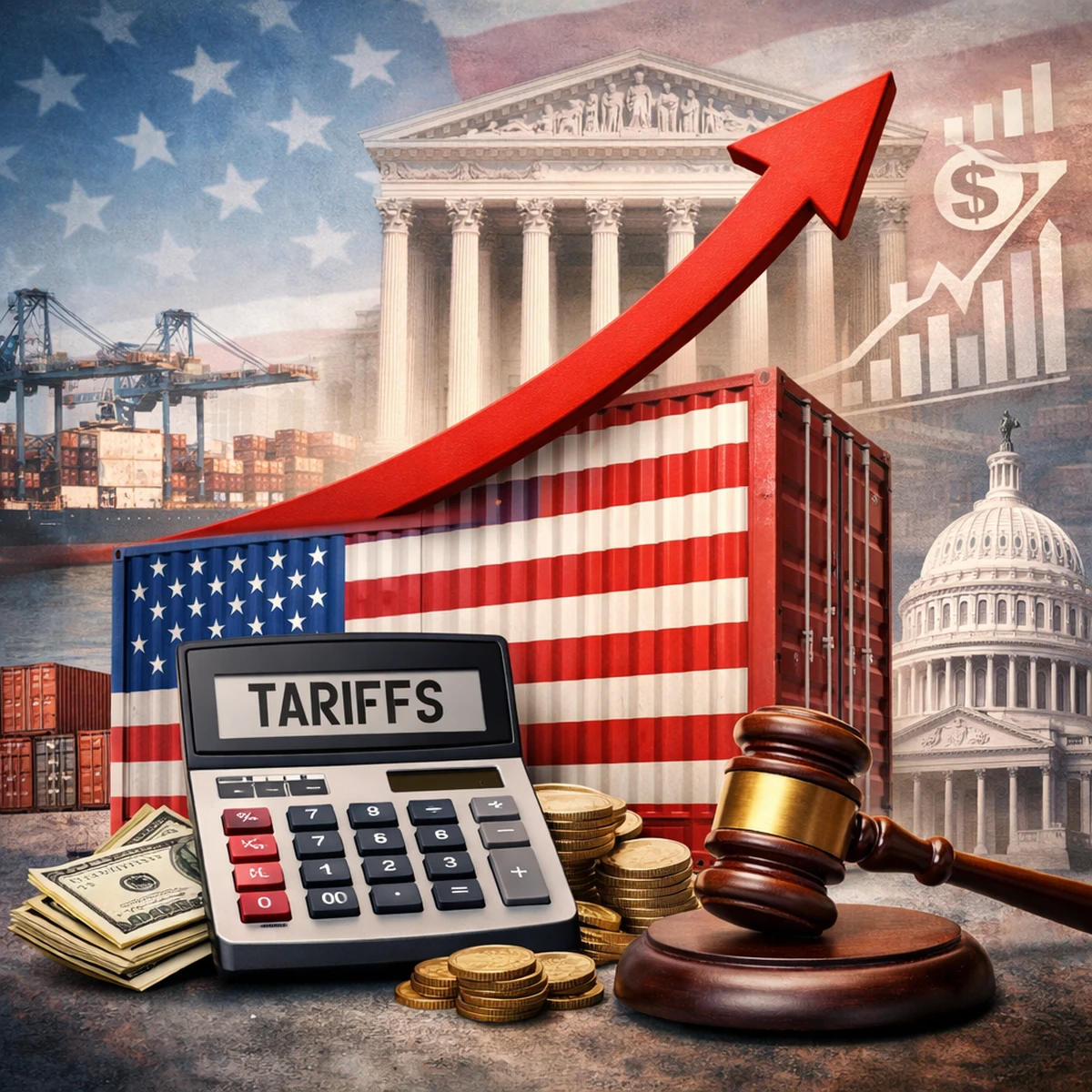
Tariffs as Tax Policy: What a 10–15% Global Import Tax Means for Revenue, Inflation, and the U.S. Economy
I. When Trade Policy Becomes Tax Policy When most Americans hear the word “tariff,” they think of trade negotiations, global supply chains, or diplomatic disputes. They do not typically think of tax policy. But at scale, a 10–15% broad import tariff is not merely a trade maneuver — it is a revenue decision. It functions…
-

Bitcoin From First Principles: Is It Necessary — And Are There Better Alternatives?
I. Introduction — Strip Away the Noise Bitcoin debates often begin in the wrong place. They start with price. Up or down. Bubble or revolution. Zero or global reserve asset. But at Breakwater Path, we do not begin with charts. We begin with systems. Before asking whether Bitcoin will succeed or fail, we should ask…