
Author: Jason Bryan Ball
-
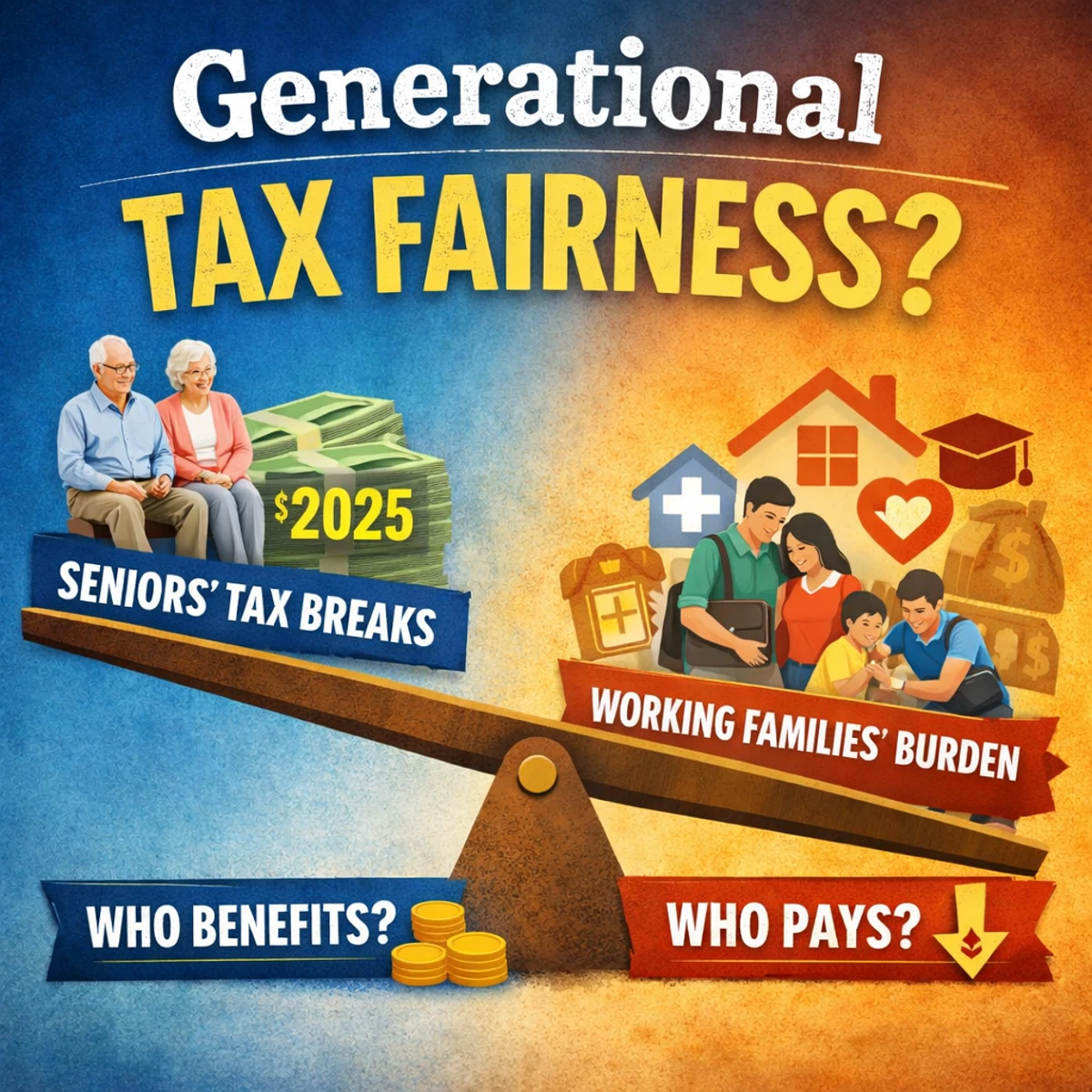
The 2025 Senior Tax Deduction: Generational Fairness, Distribution, and What It Means for Working Families
Tax policy is never just about numbers. It reflects priorities — economic, demographic, and political. In 2025, federal tax law introduced a substantial expansion of deductions for Americans age 65 and older. On the surface, it appears straightforward: seniors receive additional tax relief. But beneath that headline lies a deeper structural question: Who benefits most…
-
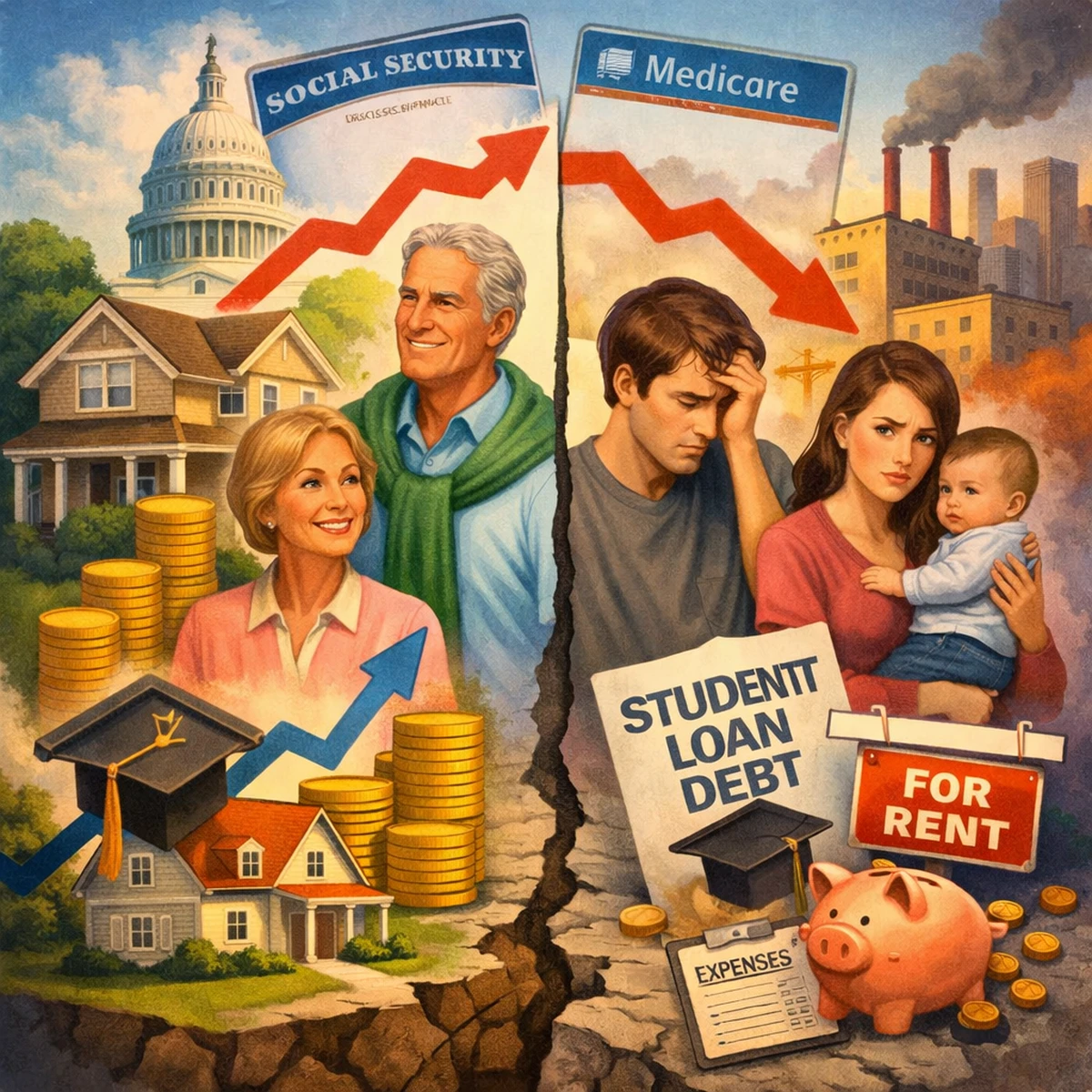
Bridging the Generational Divide: How Policy Choices Have Shaped Today’s Financial Reality and How We Move Forward
I. Introduction: A Structural Challenge, Not a Blame Game The United States has experienced one of the most dramatic generational wealth shifts in modern economic history. The Baby Boomer generation—born between 1946 and 1964—came of age during a period of expanding homeownership, strong wage growth, accessible public higher education, and relatively affordable family formation. Today,…
-
Executive Aggrandizement or Democratic Stress? Understanding Power, Chaos, and Institutional Resilience in America
Power, Chaos, and Institutional Resilience in Modern America Democracies rarely collapse overnight. They erode slowly — through legal reinterpretations, shifting norms, and institutional fatigue. At the same time, highly polarized environments can create the perception of collapse even when core guardrails remain intact. So where are we? Are we witnessing executive aggrandizement — the gradual…
-
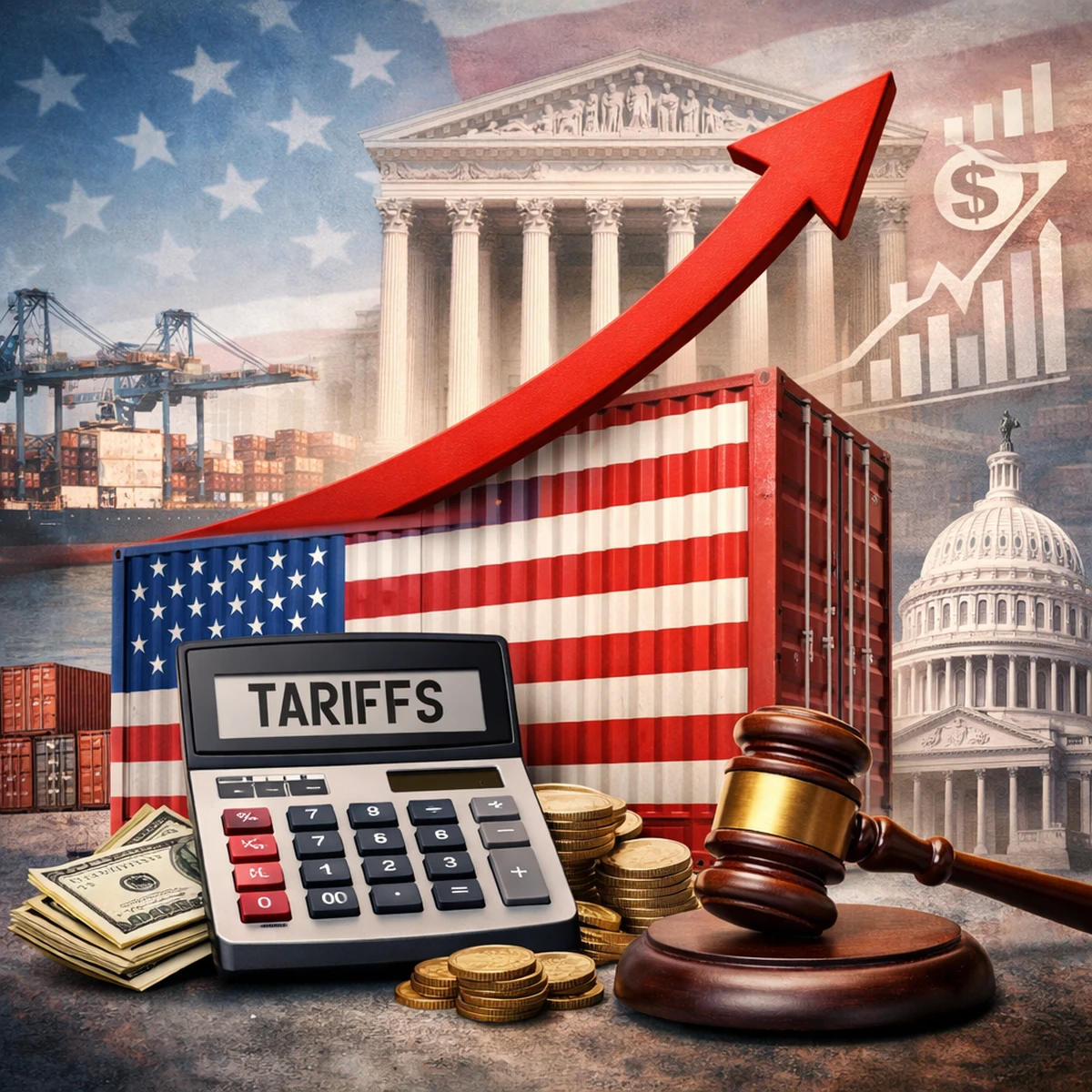
Tariffs as Tax Policy: What a 10–15% Global Import Tax Means for Revenue, Inflation, and the U.S. Economy
I. When Trade Policy Becomes Tax Policy When most Americans hear the word “tariff,” they think of trade negotiations, global supply chains, or diplomatic disputes. They do not typically think of tax policy. But at scale, a 10–15% broad import tariff is not merely a trade maneuver — it is a revenue decision. It functions…
-

Bitcoin From First Principles: Is It Necessary — And Are There Better Alternatives?
I. Introduction — Strip Away the Noise Bitcoin debates often begin in the wrong place. They start with price. Up or down. Bubble or revolution. Zero or global reserve asset. But at Breakwater Path, we do not begin with charts. We begin with systems. Before asking whether Bitcoin will succeed or fail, we should ask…
-

Wall Street vs. Main Street: What Limiting Institutional Home Buying Means for First-Time Buyers
I. Introduction: Wall Street, Main Street, and the First-Time Buyer Homeownership has long been framed as the cornerstone of middle-class wealth in America. For many families, buying a home represents stability, forced savings, and long-term equity growth. But over the past decade, a new competitor has entered the starter-home market in a meaningful way: large…
-

Elite Privilege, Power Networks, and Accountability — How Concentrated Influence Tests Democratic Stability
I. Introduction – When Power and Accountability Drift Apart In every functioning democracy, trust rests on a simple but powerful expectation: the rules apply to everyone. When people believe that laws, consequences, and expectations are enforced fairly, institutions maintain legitimacy. But when a growing number of citizens begin to feel that power, wealth, or connections…
-
The Federal Pay Gap in a Changing Economy: Middle-Class Stability, Inequality, and the Role of Public Employment
I. The Economic Backdrop: Long-Term Structural Trends To understand why federal pay has become part of a larger economic conversation, it helps to step back and look at the broader environment that has shaped wages, household finances, and middle-class stability over time. Several long-term trends have defined the modern U.S. economy. These trends are widely…
-

A Modern New Deal for Livability: Rebuilding Small Cities, Supporting Families, and Investing in the Future
I. Introduction — The Return of Big-Picture National Investment For much of the past few decades, economic success has been framed in terms of markets, GDP growth, and corporate performance. Yet for many households, the economy feels very different at ground level. Families measure stability through housing affordability, childcare costs, job security, and whether their…
-

Why Major Institutional Scandals Matter to Your Finances — Even If They Don’t Involve You
1) Introduction — Why Distant Events Still Affect Personal Finances Most families are focused on what directly touches their daily lives: earning income, paying bills, saving for retirement, and managing debt. Headlines involving powerful business leaders, political figures, or global institutions can feel far removed from those practical concerns. It’s natural to wonder why any…